Pennsylvania Reports Sixth Measles-Associated Death as Cases Exceed 1,100
Pennsylvania has reported its sixth measles-associated death of 2026 after a 39-year-old unvaccinated woman in Franklin County died following a recent...
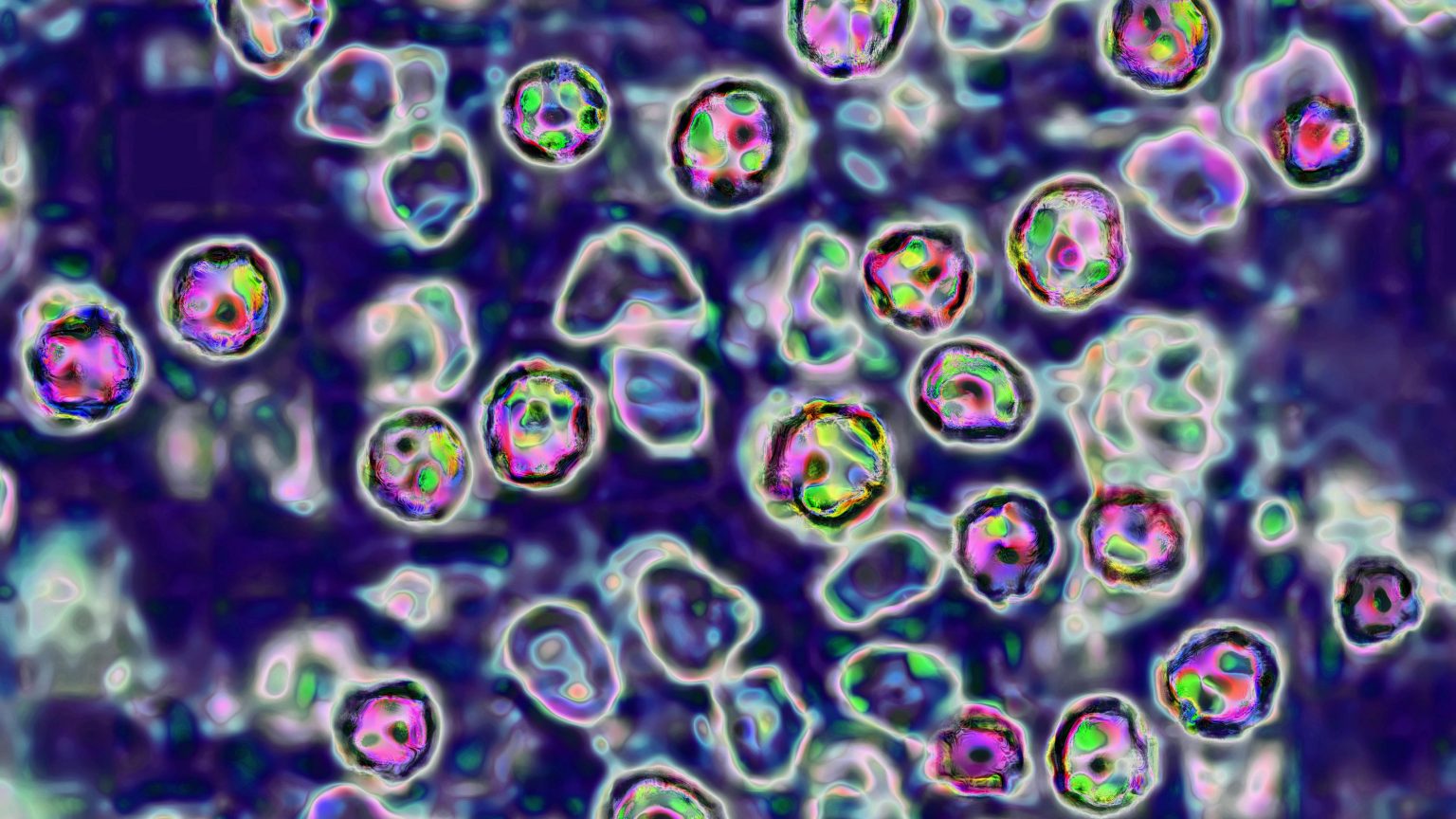
Pennsylvania has reported its sixth measles-associated death of 2026 after a 39-year-old unvaccinated woman in Franklin County died following a recent measles diagnosis. The death, announced on October 12, comes as the state continues to face one of its most serious measles outbreaks in decades.
The woman had several underlying medical conditions and had previously received treatment for measles, according to the county coroner's office. The preliminary cause of death was described as a probable acute cardiac event potentially linked to measles complications. Authorities have not disclosed further details about her medical history.
The Pennsylvania Department of Health is reviewing the case. The death meets the state's criteria for a measles-associated fatality, according to the county coroner.
The development adds to growing concerns about the spread of a highly contagious disease that had been largely controlled in the United States through widespread vaccination.
Pennsylvania Measles Cases Continue to Rise
The state had recorded 1,136 measles cases across 41 counties as of October 9, according to the latest available health department figures cited in the reports. Of those cases, 1,124 were linked to the ongoing outbreak. Officials also reported 218 hospitalisations, while 157 additional cases were recorded during the preceding week.
The outbreak began in April and has continued to expand geographically. The rising number of infections has increased pressure on public health authorities to strengthen vaccination efforts and limit further transmission.
The six reported deaths include people across different age groups, among them two infants who were too young to receive routine measles vaccination. Previous fatalities also involved teenagers and adults.
The latest case is particularly significant because it represents the first measles-associated death reported in Franklin County in many years, according to the local coroner's office.
Why Measles Can Become a Serious Illness
Measles is a viral infection that spreads through the air when an infected person breathes, coughs or sneezes. It can cause fever, cough, a runny nose, red eyes and a widespread rash. Although many people recover, the infection can sometimes lead to severe complications.
These complications may include pneumonia, inflammation of the brain and other serious medical problems. The illness can also affect the immune system, leaving people more vulnerable to additional infections.
People with certain underlying health conditions may face additional risks. However, the circumstances of the latest Pennsylvania case have not been fully disclosed, and officials have not released specific information about the woman's other medical conditions.
Health authorities continue to identify vaccination as the most effective way to prevent measles and reduce the risk of outbreaks.
Vaccination Remains Central to Outbreak Prevention
The measles, mumps and rubella vaccine, commonly known as the MMR vaccine, provides strong protection against measles. Two doses are approximately 97% effective at preventing the disease.
High vaccination coverage also helps reduce transmission within communities, protecting people who are too young to be vaccinated or who cannot receive certain vaccines for medical reasons.
Pennsylvania's outbreak has renewed attention to declining vaccination rates and the consequences of gaps in community protection. Health professionals have encouraged eligible residents to review their vaccination records and consult healthcare providers about any missing doses.
National Measles Situation Raises Further Concerns
The outbreak in Pennsylvania is part of a broader resurgence of measles across the United States. National case numbers have climbed to levels not seen since the early 1990s, increasing concern among public health experts about the country's ability to maintain its measles elimination status.
There has also been a difference between state-reported measles-associated deaths and the number included in federal reporting. The distinction reflects differences in reporting and classification, with authorities reviewing how individual cases are counted.
For Pennsylvania, the immediate priority remains containing transmission, identifying infections and improving access to vaccination. The latest death highlights the potential consequences of measles and the continuing importance of prevention as cases rise.
Related Stories
Reader comments are moderated as per Daily News Axis editorial standards.