Tiger Shroff Shooting Raises Questions About How Gang Networks Operate Despite Leaders Being in Jail
The shooting incident involving Bollywood actor Tiger Shroff in Mumbai has renewed attention on the activities of organised criminal networks whose al...
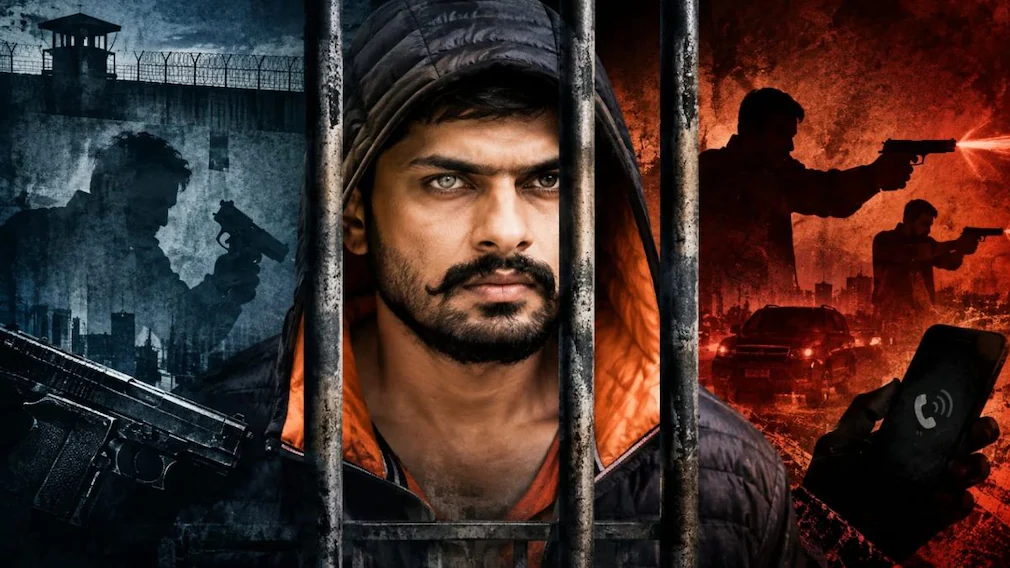
The shooting incident involving Bollywood actor Tiger Shroff in Mumbai has renewed attention on the activities of organised criminal networks whose alleged leaders remain behind bars. The case has also raised questions about the legal restrictions that prevent investigators from questioning certain prisoners outside the facilities where they are held.
Shroff escaped unharmed after unidentified assailants allegedly opened fire at his vehicle in the Juhu area on October 18, 2026. His driver and another person were injured. The Lawrence Bishnoi gang subsequently claimed responsibility for the incident, although investigators must establish the authenticity of those claims and the extent of any involvement by individuals associated with the network.
The incident has brought renewed scrutiny to Lawrence Bishnoi, who has been lodged at Sabarmati Central Jail in Ahmedabad since 2023.
Why Police Cannot Easily Take Bishnoi Into Custody
A Union Ministry of Home Affairs order restricts Bishnoi's removal from Sabarmati Jail. The original restriction was issued in August 2023 under Section 268 of the Code of Criminal Procedure and subsequently continued under Section 303 of the Bharatiya Nagarik Suraksha Sanhita.
These provisions allow authorities to prevent specified prisoners from being transferred outside a particular prison, taking into account the nature of alleged offences, possible threats to public order and broader public interest.
The restriction means that police forces from other states cannot automatically take Bishnoi into physical custody for questioning. A court-issued production warrant alone does not override the applicable government order.
Investigators seeking to question him must follow the prescribed legal process. Interrogation may be possible inside the prison after obtaining the necessary judicial authorisation. Any transfer outside the facility would require the relevant approvals.
The government has cited security and public-order considerations for maintaining these restrictions.
How Investigators Examine Alleged Criminal Networks
Police investigations into organised crime frequently involve examining connections between people accused of planning offences, those allegedly arranging resources and individuals suspected of carrying out attacks.
In cases linked to the Bishnoi network, investigators have examined alleged associations involving people based outside India and suspects operating within the country. Such investigations can involve financial records, communications, witness statements and evidence collected from arrested individuals.
Authorities have also faced the challenge of determining whether a particular threat or public claim genuinely originated from the network or was made by someone attempting to use its name.
This distinction is important because a social media statement or recording claiming responsibility does not independently establish who planned or authorised an incident. Investigators must verify the evidence before drawing conclusions about the people involved.
Previous Cases Have Raised Similar Questions
The restrictions on Bishnoi's movement have attracted attention in earlier investigations involving alleged criminal activities in Mumbai.
In April 2024, gunmen opened fire outside actor Salman Khan's residence in Bandra. Police investigations linked several accused to the Bishnoi network, while a social media statement issued in the name of Anmol Bishnoi claimed responsibility.
In October 2024, NCP leader Baba Siddique was murdered in Mumbai. Investigators also examined alleged connections between the accused and the same criminal network.
More recently, a firing incident involving filmmaker Rohit Shetty further intensified concerns about threats directed at people in the entertainment industry.
In each case, establishing the role of individual suspects and identifying the people allegedly responsible for planning the offences remained central to the investigation.
The Legal and Administrative Challenge
The Tiger Shroff case has highlighted the balance authorities must maintain between prison security and effective criminal investigations.
Keeping a prisoner inside a particular facility may address concerns about transportation and public order, but it can also complicate investigations being conducted by police forces in other states.
Investigators must therefore work through court permissions and the available evidence from arrested suspects. The process also requires authorities to distinguish verified information from allegations made in public statements.
What Happens Next?
Mumbai Police's investigation will focus on establishing the circumstances surrounding the shooting, examining the evidence and determining the alleged roles of those arrested or named during the inquiry.
Whether investigators seek permission to question Bishnoi inside Sabarmati Jail will depend on the requirements of the case and the relevant judicial approvals.
The incident has once again brought attention to the difficulties of investigating alleged organised crime across state and international boundaries while complying with legal safeguards governing prisoners.
Related Stories

Reader comments are moderated as per Daily News Axis editorial standards.