Nvidia CEO Jensen Huang Reportedly Targeted in Chinese Spy Operation, Raising Questions Over AI Chip Security
Nvidia chief executive Jensen Huang was reportedly targeted in an intelligence operation linked to China, adding a new dimension to concerns about the...
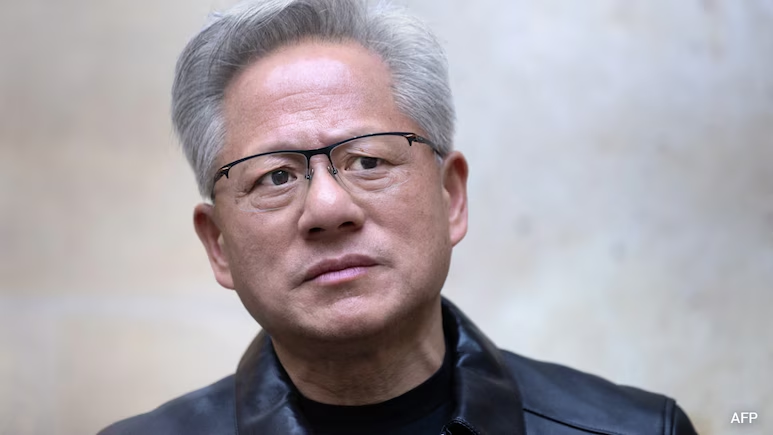
Nvidia chief executive Jensen Huang was reportedly targeted in an intelligence operation linked to China, adding a new dimension to concerns about the security of advanced artificial intelligence technology and the enforcement of US export restrictions.
According to reports citing people familiar with US intelligence findings, a Chinese businesswoman named Alice Huang, who held a senior position at Singapore-based data centre company Megaspeed, was suspected of gathering information for Beijing while maintaining a close business relationship with the Nvidia chief.
US intelligence agencies reportedly concluded that Alice Huang was acting as an intelligence asset for China. The allegations have not been independently established in court, and the full extent of the information allegedly transferred remains unclear.
How the Alleged Intelligence Operation Emerged
Megaspeed had previously attracted scrutiny from US authorities over concerns that its business activities could help Chinese companies gain access to advanced Nvidia AI chips despite American export restrictions.
The company operates in the data centre sector, purchasing computing equipment and providing access to processing capacity. Investigators reportedly examined whether such arrangements could allow restricted technology to reach Chinese customers through operations in Southeast Asia.
During surveillance of Alice Huang, US intelligence agencies reportedly identified communications involving an American citizen. An intelligence procedure known as unmasking subsequently revealed that the individual was Jensen Huang.
Reports also described photographs showing the two at business-related gatherings. However, the existence of professional contact does not establish that the Nvidia executive knowingly participated in intelligence activity.
Trump Was Reportedly Briefed About the Concerns
The reporting said President Donald Trump received information about the suspected operation approximately a year before the allegations became public.
Despite the briefing, the administration reportedly did not take significant action. The account suggested that concerns about disrupting Nvidia's commercial operations and complicating US-China trade relations were among the considerations.
Some senior officials reportedly questioned whether Jensen Huang could have been unaware of Alice Huang's alleged intelligence activities. However, this remains an assessment attributed to unnamed officials rather than an established finding of wrongdoing.
The reports also indicated that Huang was not given a formal warning from US authorities that he might have been targeted.
Nvidia Rejects Suggestions of Sensitive Information Sharing
Nvidia defended its chief executive's interactions with the businesswoman, describing them as part of routine commercial engagement.
The company said its chief executive regularly meets customer executives around the world. It also maintained that regional cloud customers receive ordinary business information rather than confidential trade secrets or material relevant to national security.
Nvidia further said that claims involving the diversion of its chips to China had previously been investigated and disputed. The company has maintained that there is no evidence supporting allegations that its hardware was illegally smuggled through the business arrangements in question.
China's embassy in Washington also rejected the espionage allegations, describing them as politically motivated accusations against the country.
Why the Case Matters for the Global AI Industry
The allegations highlight the challenges facing US authorities as they attempt to restrict China's access to advanced computing technology. Nvidia's processors are widely used to develop and operate sophisticated AI systems, making control over their distribution an important part of the broader technology competition.
Companies operating data centres outside the United States have become part of the debate because computing capacity can be supplied across borders even when the physical hardware remains elsewhere.
The episode could bring renewed attention to export-control enforcement, corporate security practices and the role of commercial relationships in international technology policy.
For now, important questions remain unanswered, including what information was allegedly passed to Beijing, whether any restricted technology was diverted and what US authorities may do next. The allegations against Alice Huang and the questions surrounding Jensen Huang's business interactions remain distinct issues, and no evidence presented in the reports establishes that the Nvidia chief knowingly participated in espionage.
Related Stories


Reader comments are moderated as per Daily News Axis editorial standards.