Nana Patekar: Remembering the Legendary Actor Who Redefined Indian Cinema
Nana Patekar, one of Indian cinema’s most distinctive performers, leaves behind a body of work that transformed the way audiences viewed character-dri...
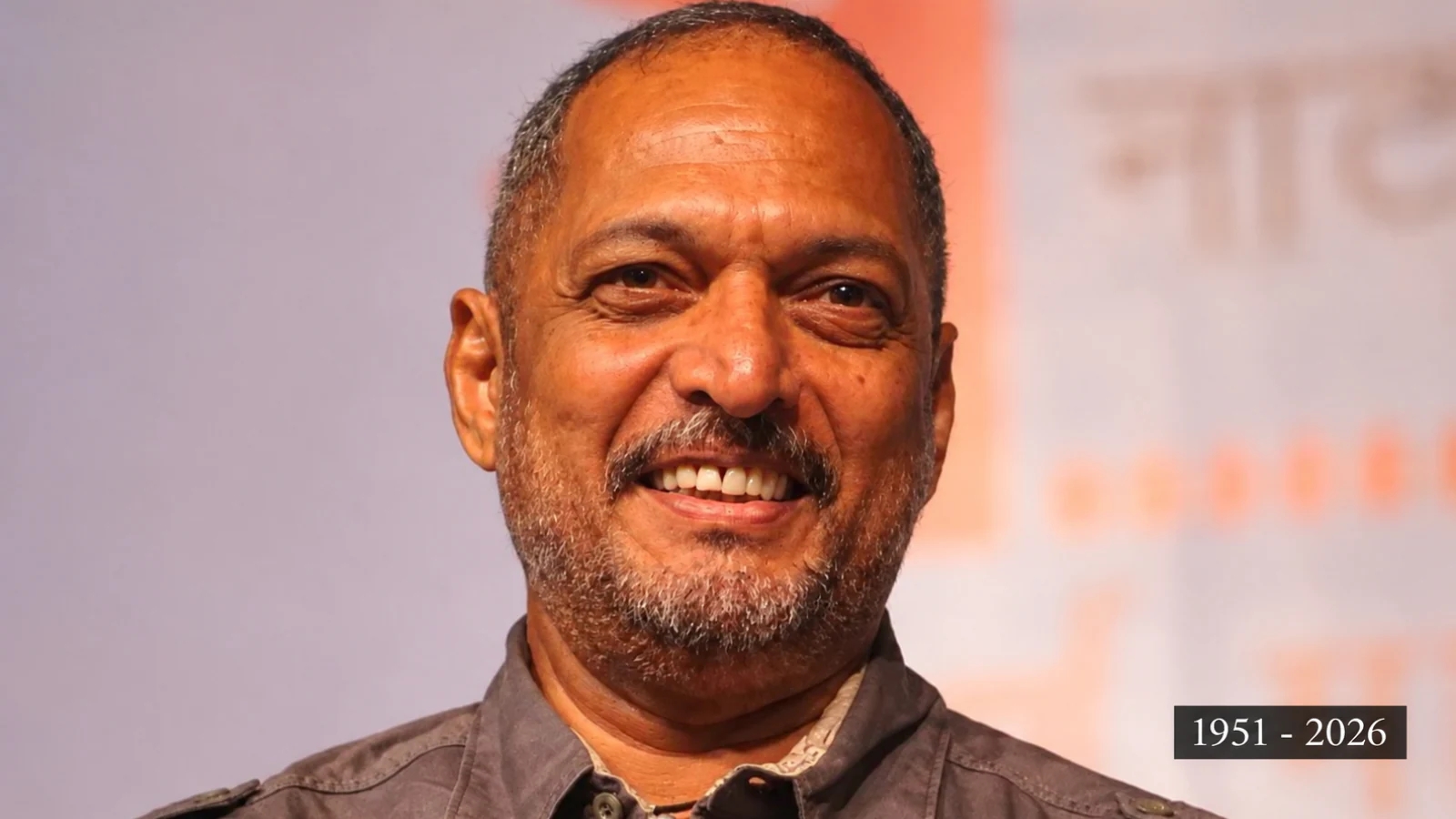
Nana Patekar, one of Indian cinema’s most distinctive performers, leaves behind a body of work that transformed the way audiences viewed character-driven storytelling. Across Hindi and Marathi films, he built a reputation for intense performances, sharp dialogue delivery and an ability to portray complicated characters without relying on conventional screen-hero formulas.
The veteran actor died on October 8, 2026, at the age of 75 following a cardiac arrest at his residence in Goa. His death prompted tributes from political leaders, fellow actors, filmmakers and admirers who remembered not only his contribution to cinema but also his association with social causes, particularly the welfare of farmers.
From Marathi Theatre to a Remarkable Film Career
Born Vishwanath Patekar in Maharashtra, Nana Patekar developed his acting skills through theatre before establishing himself in films. His early work in Marathi theatre helped shape the expressive style and emotional precision that later became central to his performances on screen.
He entered Hindi cinema with Gaman in 1978 and gradually attracted attention through films that explored social tensions, political corruption and human vulnerability. Rather than following the conventional route to stardom, Patekar earned recognition through the strength of his performances.
His role in Parinda brought him widespread acclaim and earned him the National Film Award for Best Supporting Actor. He subsequently demonstrated his range in films including Prahaar, Krantiveer, Agni Sakshi and Ab Tak Chhappan.
Each performance revealed a different dimension of his acting. He could portray an uncompromising police officer, a troubled individual or a character driven by anger and conviction, often giving supporting roles a lasting impact.
An Acting Style That Defied Convention
Patekar's performances were known for their intensity, distinctive voice and carefully controlled expressions. He often brought emotional complexity to characters who might otherwise have appeared one-dimensional.
His work was not limited to serious dramas. He also displayed a strong comic sensibility in popular entertainers, including Welcome, introducing his acting to audiences who knew him primarily for powerful dramatic roles.
In Marathi cinema, his performance as Ganpat Belwalkar in Natsamrat demonstrated his ability to convey the emotional struggles of an ageing theatre artist. The role required him to move between authority, vulnerability and personal loss, reinforcing his reputation as an actor capable of handling demanding material.
Over his career, Patekar received three National Film Awards and was honoured with the Padma Shri in 2013 for his contribution to the arts.
Beyond Films: His Commitment to Farmers
Patekar's public life extended beyond acting. He was closely associated with efforts to support rural communities and farmers facing financial hardship, particularly in drought-affected areas of Maharashtra.
In 2015, he co-founded the Naam Foundation with actor Makarand Anaspure. The organisation worked on initiatives involving water conservation and assistance for distressed farming communities.
His connection with agricultural issues was an important part of his identity outside the film industry. He frequently drew attention to the difficulties faced by rural households, making social welfare a continuing part of his public work.
This side of his life helped him build a relationship with people far removed from the world of film premieres and celebrity events.
A Lasting Influence on Indian Cinema
Nana Patekar's legacy rests on more than a list of successful films or awards. He demonstrated that compelling performances could emerge from unconventional characters and stories grounded in social realities.
His work across languages and genres influenced generations of performers and gave audiences memorable portrayals of authority, conflict, humour and vulnerability.
As tributes continue following his death, his performances remain an enduring part of Indian cinema's history. His career stands as a reminder that an actor's lasting influence is often measured not by glamour or screen presence alone, but by the depth, honesty and individuality brought to each role.
Related Stories


Reader comments are moderated as per Daily News Axis editorial standards.