
Chirag Paswan Defends Indian Youth Amid Delhi Protest Restrictions, Criticises Opposition Strategy
Union Minister Chirag Paswan has defended the determination of young Indians amid heightened security restrictions in New Delhi, while accusing opposi...
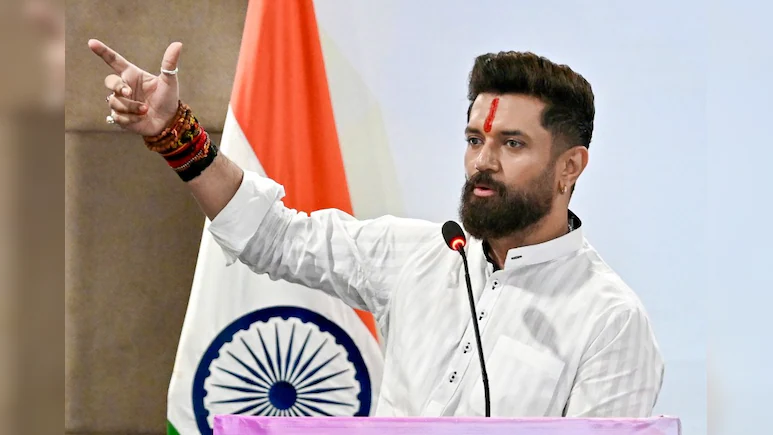
Union Minister Chirag Paswan has defended the determination of young Indians amid heightened security restrictions in New Delhi, while accusing opposition parties of politicising protests against the Election Commission. His remarks came as authorities tightened security arrangements ahead of a demonstration planned by the Cockroach Janata Party (CJP) at Jantar Mantar on October 10, 2026.
The minister's comments followed concerns raised by students and young people over transport disruptions, including train cancellations, metro restrictions and the extensive deployment of security personnel across the national capital. The measures have complicated travel for people seeking to participate in the demonstrations.
Paswan, an ally of the ruling National Democratic Alliance (NDA), argued that restricting transport connectivity would not diminish the determination of India's youth. He also questioned the need for repeated protests that, in his view, disrupt everyday activities and inconvenience ordinary citizens.
Chirag Paswan Questions Opposition's Approach
The Union minister criticised opposition parties for focusing on street demonstrations rather than pursuing discussions with the Election Commission to address their concerns.
He argued that political disagreements should be resolved through dialogue and suggested that opposition leaders request an appointment with Chief Election Commissioner Gyanesh Kumar instead of organising protests to secure a meeting.
Paswan also accused opposition parties of creating difficulties for the public while challenging election outcomes. His comments reflect the broader political disagreement over the Election Commission's functioning and the methods opposition groups have chosen to raise questions about electoral processes.
The minister's position has placed emphasis on institutional engagement as an alternative to demonstrations, while the planned CJP protest has brought questions about electoral accountability back into the national political debate.
CJP Demands Electoral Reforms
The Cockroach Janata Party has called for Gyanesh Kumar's resignation and demanded electoral reforms. Its proposed demonstration at Jantar Mantar comes amid wider opposition criticism of the Election Commission, including concerns surrounding the Special Intensive Revision (SIR) of electoral rolls.
Opposition groups have raised questions about the voter-list revision process and its potential implications for electoral fairness. The Election Commission's credibility and the public's confidence in elections have consequently become central issues in the ongoing political dispute.
The authorities' decision to deny permission for the CJP demonstration has added another dimension to the controversy. Police cited procedural requirements and the timing of the application, while the restrictions prompted concerns about the ability of demonstrators to assemble in the capital.
Jantar Mantar is a designated location for demonstrations, but gatherings there remain subject to permission requirements and crowd-management rules.
Election Commission Faces Questions Over Public Trust
Paswan's remarks also follow his earlier call for the Election Commission to address concerns about its internal functioning and maintain public confidence in the electoral system.
He has maintained that the commission should clearly explain its position whenever doubts emerge about the election process. Such concerns, he indicated, should be addressed directly so that uncertainty does not undermine public trust.
The issue has become particularly sensitive as political parties debate electoral-roll revisions, institutional accountability and the fairness of democratic processes.
Security Measures Affect Movement Across Delhi
The heightened security arrangements have drawn attention to the practical consequences of the planned protest. Restrictions affecting transport and movement have raised concerns among commuters and students, particularly those travelling to Delhi from other cities.
Paswan maintained that young Indians remain capable of pursuing their objectives despite such obstacles. However, the wider debate continues to involve competing priorities: maintaining public order, allowing peaceful political expression and ensuring that electoral institutions remain accountable.
As the CJP demonstration brings these questions into focus, the response from political leaders and authorities is likely to influence discussions about protest permissions, electoral reforms and public confidence in India's democratic institutions.
Related Stories


Reader comments are moderated as per Daily News Axis editorial standards.








