
Sitting for Long Hours? 7 Simple Exercises to Relieve Stiff Muscles and Improve Flexibility
Spending long hours sitting at a desk, working on a computer or travelling can leave your body feeling stiff and uncomfortable. The neck, shoulders, b...
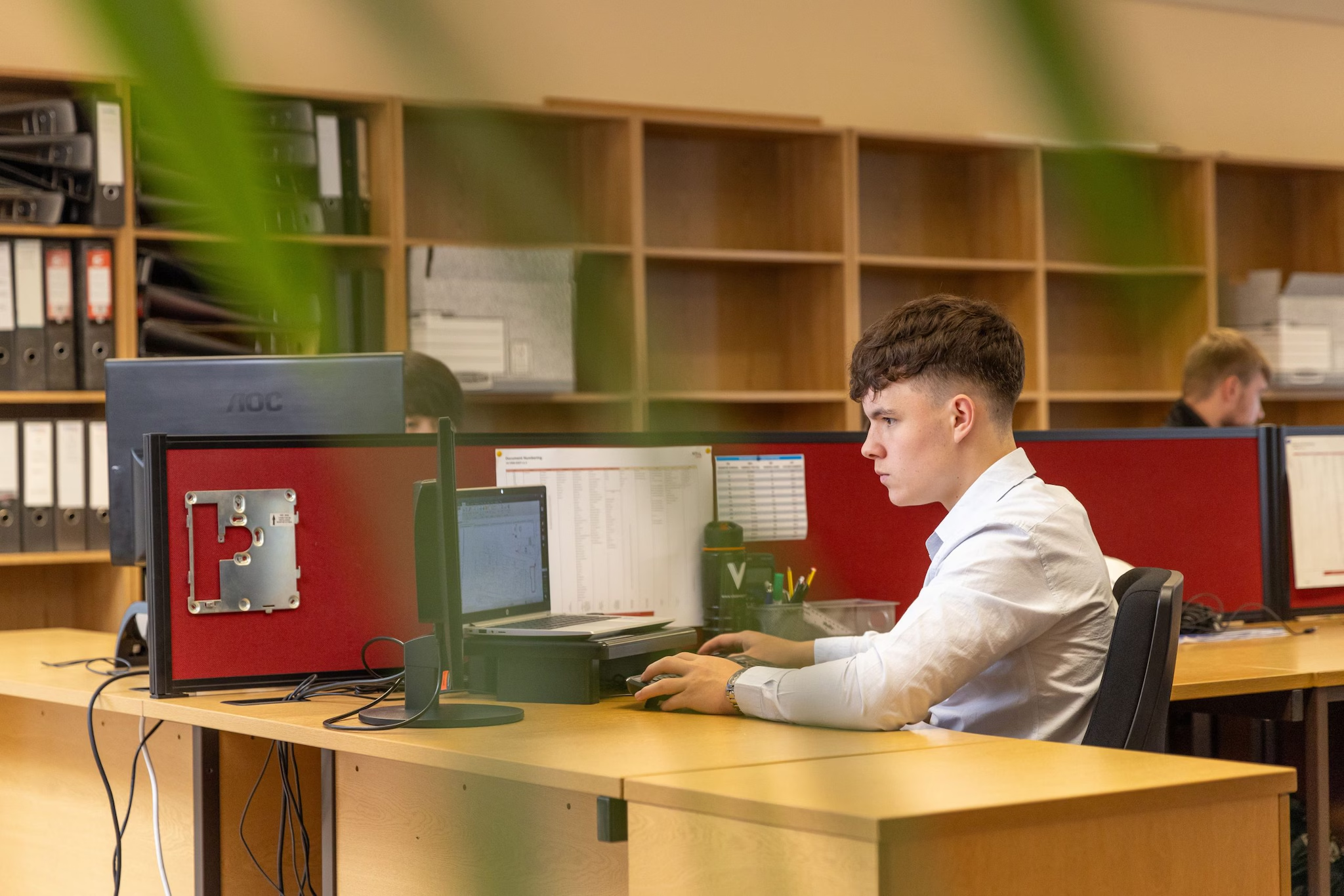
Spending long hours sitting at a desk, working on a computer or travelling can leave your body feeling stiff and uncomfortable. The neck, shoulders, back, hips and legs are particularly vulnerable when you remain in the same position for extended periods.
A sedentary routine can also limit flexibility and contribute to poor posture. The good news is that you do not need an elaborate workout or gym equipment to get moving. Simple stretches and mobility exercises performed regularly can help ease muscle tightness, improve your range of motion and make everyday movement more comfortable.
Taking short movement breaks throughout the day is just as important as stretching. Here are seven easy exercises that can help loosen stiff muscles after prolonged sitting.
1. Neck Tilts to Ease Tension
Looking down at a laptop or phone for hours can leave the neck muscles feeling tight. Gentle neck tilts help stretch the muscles along the sides of the neck.
How to do it:
- Sit upright with your shoulders relaxed.
- Slowly tilt your head towards your right shoulder without lifting the shoulder.
- Hold for 10–15 seconds, then return to the centre.
- Repeat on the left side.
Avoid pulling your head forcefully or making sudden circular movements. Stop if you experience pain, dizziness or tingling.
2. Shoulder Rolls to Release Upper-Body Stiffness
Shoulder rolls are a simple way to loosen the muscles around the shoulders and upper back, especially after working at a computer.
How to do it:
- Sit or stand with your back comfortably straight.
- Lift your shoulders towards your ears.
- Roll them backwards in a slow circular motion.
- Repeat 8–10 times, then reverse the direction.
Keep the movement gentle and avoid shrugging your shoulders with excessive force.
3. Chest Opener to Improve Posture
Hunching over a desk can tighten the chest muscles and encourage rounded shoulders. A chest-opening stretch helps counter that position.
How to do it:
- Stand in a doorway and place your forearms against the frame.
- Keep your elbows around shoulder height.
- Gently step forward until you feel a comfortable stretch across your chest.
- Hold for 15–20 seconds while breathing normally.
Do not force your shoulders backwards. The stretch should feel gentle rather than painful.
4. Seated Spinal Twist to Loosen the Back
Remaining in one position can make the back feel stiff. A gentle seated twist encourages movement through the upper back and trunk.
How to do it:
- Sit upright with both feet flat on the floor.
- Place your hands lightly on the sides of the chair.
- Slowly rotate your upper body to one side while keeping your hips facing forward.
- Hold for 5–10 seconds, return to the centre and repeat on the other side.
Rotate only as far as feels comfortable. Avoid twisting sharply or forcing your lower back.
5. Standing Hip-Flexor Stretch
The hip flexors remain in a shortened position when you sit for long periods. Stretching them can help reduce tightness at the front of the hips.
How to do it:
- Stand with one foot in front of the other.
- Bend the front knee slightly and keep the back leg behind you.
- Gently shift your hips forward while keeping your torso upright.
- Hold for 15–30 seconds, then switch legs.
Use a wall or sturdy chair for balance if needed. Avoid arching your lower back excessively.
6. Standing Calf Raises to Activate the Lower Legs
Sitting for extended periods reduces the amount of work performed by the calf muscles. Calf raises activate these muscles and encourage regular movement through the ankles.
How to do it:
- Stand with your feet about hip-width apart.
- Hold a sturdy chair or desk for support.
- Slowly lift your heels until you are standing on your toes.
- Pause briefly, then lower your heels with control.
- Repeat 10–15 times.
Keep your movements steady and avoid bouncing. If you have balance difficulties, use appropriate support.
7. Standing Hamstring Stretch
The hamstrings, located at the back of the thighs, can feel tight after prolonged sitting. A gentle stretch can help maintain flexibility in the legs.
How to do it:
- Place one heel on a low, stable surface.
- Keep the raised leg comfortably straight, with the toes pointing upwards.
- Bend forward slightly from your hips while keeping your back relatively straight.
- Hold for 15–30 seconds, then switch legs.
Avoid rounding your back or pushing yourself into a deep stretch. You should feel mild tension at the back of the thigh, not pain.
How Often Should You Stretch?
You do not have to wait until the end of the workday to relieve stiffness. Try getting up and moving for a few minutes every 30–60 minutes. Alternate between gentle stretches, short walks and simple movements that activate your muscles.
A few practical habits can also help:
- Change positions regularly: Alternate between sitting, standing and walking when possible.
- Adjust your workstation: Keep your screen near eye level and your feet supported.
- Move throughout the day: Take walking breaks instead of remaining seated continuously.
- Stretch gently: Breathe normally and avoid bouncing or forcing a joint beyond its comfortable range.
These exercises can help manage ordinary stiffness, but stretching alone cannot reverse every effect of prolonged inactivity. Regular physical activity remains important for overall health.
If you experience persistent pain, numbness, weakness or symptoms that worsen with movement, consult a healthcare professional before continuing the exercises.
The key is consistency. A few minutes of gentle movement several times a day can help you feel less stiff and make long workdays more comfortable.
Related Stories

Reader comments are moderated as per Daily News Axis editorial standards.