How Much Do Indian Parents Spend on Children’s Hobbies? Is the Investment Worth It?
Indian parents are increasingly investing in extracurricular activities to help their children develop skills beyond academics. From music lessons and...
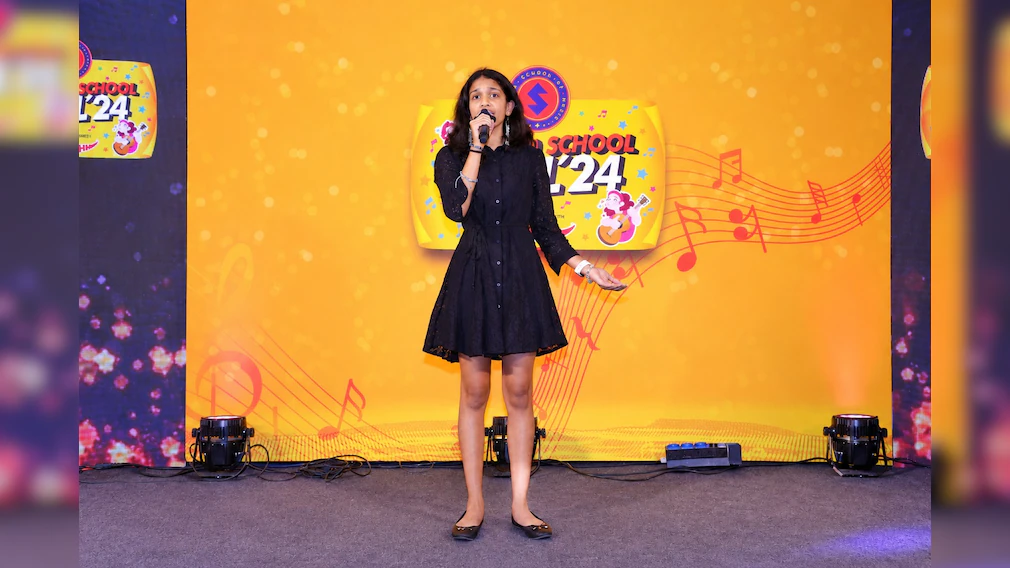
Indian parents are increasingly investing in extracurricular activities to help their children develop skills beyond academics. From music lessons and dance classes to swimming, sports coaching and art workshops, hobbies are becoming an important part of childhood. However, as these activities turn into recurring expenses, families are asking an important question: does the money spent deliver lasting benefits?
Music education offers a useful example of how quickly the costs can add up. Personalised online music lessons can cost between ₹3,600 and ₹4,000 per month, depending on the programme and number of sessions. For families enrolling children in several activities, the overall expenditure can become a significant part of the household budget.
The value of these investments, however, cannot always be measured through certificates, competition results or the possibility of a future career. Confidence, creativity, discipline and emotional development can also be meaningful outcomes.
How Much Does a Child's Hobby Cost?
Music classes can require a substantial financial commitment over time. At Spardha School of Music, personalised one-to-one online lessons cost approximately ₹3,600 to ₹4,000 per month for eight sessions lasting 30 minutes each. This translates to ₹450–₹500 per session.
The platform's average monthly expenditure per student is around ₹3,200, while the average annual spending is approximately ₹35,000, according to its founder and chief executive, Saurabh Srivastava.
For many families, music is only one part of a child's extracurricular schedule. Swimming, dance, sports coaching and other activities can add further costs, including equipment, transportation and participation fees.
Srivastava estimates that families typically spend around ₹25,000–₹30,000 annually on quality music education. Students remain enrolled for an average of 18–20 months, meaning the cumulative expense can reach approximately ₹57,600–₹64,000 at the platform's average monthly spending level.
These figures illustrate why parents need to evaluate the long-term affordability of an activity rather than focusing only on its monthly fee.
Why Are Parents Investing More in Hobbies?
For many years, academic results were the primary measure of a child's progress. School performance, examinations and college admissions largely shaped how families allocated their time and money.
That approach is gradually evolving. Parents increasingly recognise that children also need communication skills, creativity, confidence and the ability to work through challenges.
Music and other performing arts can provide opportunities to develop these qualities. Learning an instrument requires regular practice, patience and persistence. Performing before an audience can help children become more comfortable expressing themselves publicly.
Sports can encourage teamwork and resilience, while art activities offer opportunities for imagination and creative thinking.
For parents, these developmental benefits can be just as important as the specific skill their children acquire.
Online Music Classes Versus Offline Academies
The choice between online lessons and traditional academies can influence both cost and convenience.
Music academies in metropolitan areas may charge approximately ₹3,500–₹4,000 per month for group classes with six to eight students. Personalised online lessons can fall within a similar price range, while eliminating the need for regular travel.
Online education also gives children access to teachers beyond their immediate neighbourhood. However, parents should compare more than the advertised fee. Teaching quality, individual attention, lesson frequency, curriculum and the child's comfort with the learning format all matter.
A suitable programme should provide clear learning goals and allow parents to assess progress over time.
Is Spending ₹30,000 a Year on a Hobby Worth It?
The answer depends on the child's interest, the family's finances and the quality of the learning experience.
Music education can encourage concentration, discipline, patience and creativity. Repeated practice teaches children to work towards goals, while performances may help them manage nervousness and communicate with greater confidence.
These benefits do not necessarily require a child to become a professional musician. A hobby can remain valuable even when it is pursued purely for enjoyment.
Parents should look for signs of genuine engagement, including enthusiasm for lessons, regular practice and gradual improvement. If a child consistently loses interest, it may be worth discussing whether to continue, change teachers or explore another activity.
How Parents Can Avoid Overspending
Families can make more informed decisions by setting a realistic budget and reviewing extracurricular expenses periodically.
- Prioritise interests: Let children explore different activities before committing to expensive long-term programmes.
- Compare the real costs: Include equipment, travel, registration and performance fees alongside tuition.
- Track progress: Review whether the child is learning, participating willingly and enjoying the experience.
- Avoid unnecessary pressure: Hobbies should not become another source of stress or a way to satisfy parental expectations.
- Reassess regularly: Children's interests change, and families should feel comfortable adjusting their plans.
Parents do not need to enrol children in numerous activities to provide a well-rounded upbringing. One meaningful pursuit, supported consistently, may be more beneficial than several classes that leave a child exhausted.
The Real Return on Children's Hobbies
Spending ₹25,000–₹35,000 annually on music education represents a significant commitment for many households. Over time, the expense can exceed ₹50,000, particularly when lessons continue for more than a year.
Yet the return may be reflected in qualities that are difficult to quantify financially: greater confidence, improved concentration, persistence and a lasting interest in music.
Ultimately, a child's hobby should support personal growth without placing undue pressure on the child or the family's finances. The most worthwhile investment is not necessarily the most expensive class, but an activity that a child enjoys, learns from and can continue sustainably.
Related Stories

Reader comments are moderated as per Daily News Axis editorial standards.