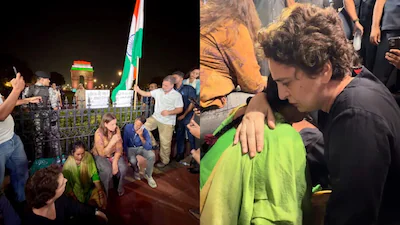
Saurav Das and Ashutosh Ranka Sent to 5-Day Judicial Custody After Jantar Mantar Protest
Cockroach Janta Party (CJP) leaders Saurav Das and Ashutosh Ranka have been remanded to five days of judicial custody following a protest-related inci...
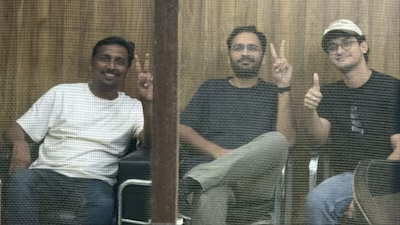
Cockroach Janta Party (CJP) leaders Saurav Das and Ashutosh Ranka have been remanded to five days of judicial custody following a protest-related incident at Jantar Mantar in New Delhi. The action came after the two leaders allegedly entered the restricted protest area without authorisation, triggering intervention by Delhi Police and subsequent legal proceedings.
The incident has intensified tensions surrounding demonstrations in the national capital, particularly after Jantar Mantar was removed from the list of officially designated protest venues.
How the Jantar Mantar Incident Unfolded
The developments took place on Tuesday, October 13, when CJP members attempted to enter the Jantar Mantar premises despite the change in the site's protest status. Das and Ranka were among the party representatives who reached the location with other supporters.
Reports indicate that some members of the group entered the premises by climbing over locked gates. The group included Ajinkya Shinde, another CJP representative. Police personnel intervened after the activists entered the area, and several individuals were detained.
The incident followed the authorities' announcement that Jantar Mantar would no longer function as a designated location for public protests. The decision became a point of contention for the party, which had been seeking permission to organise a demonstration at the site.
Following their detention, Das and Ranka were brought before a Special Executive Magistrate at Mandir Marg. The magistrate subsequently ordered five days of judicial custody for the two leaders in connection with the case.
Dispute Over Protest Venue
The confrontation reflects a wider disagreement over the location and permissions required for public demonstrations in Delhi. Jantar Mantar has historically been an important gathering point for political groups, activists and organisations seeking to draw attention to public issues.
However, the recent change in its designation has complicated plans for groups intending to organise demonstrations there. Authorities have identified alternative locations for protests, including Ramlila Maidan, Burari Maidan and the CBD Ground in east Delhi.
The CJP had challenged the restrictions on its preferred venue and sought an opportunity to hold its proposed demonstration at Jantar Mantar. The group's efforts to access the site culminated in Tuesday's confrontation with police.
Political Context Behind the Demonstration
The protest dispute comes amid the party's campaign against Chief Election Commissioner Gyanesh Kumar. CJP members and other protesters have raised concerns about the Special Intensive Revision (SIR) of electoral rolls, a process that has generated political controversy.
The party has demanded accountability over alleged irregularities in voter-list revisions. These allegations form part of a broader political dispute over electoral procedures and the treatment of voters. Claims concerning the revision process remain contested and should not be treated as established findings of wrongdoing.
The CJP has continued to draw attention to its demands through demonstrations and public statements. The latest incident, however, has shifted attention towards the legal consequences of entering a protest site without the required authorisation.
What Happens Next?
The five-day judicial custody order places Das and Ranka in custody while proceedings connected to the incident continue. The case centres on the circumstances of their entry into Jantar Mantar and the restrictions governing demonstrations at the location.
The development also raises questions about how authorities and protest organisers will handle future demonstrations following the site's change in status. Organisers seeking to stage public gatherings must contend with the revised venue arrangements and applicable permission requirements.
For the CJP, the immediate challenge is to pursue its political demands while addressing the legal proceedings involving its leaders. Further developments in the case are likely to depend on subsequent judicial proceedings and decisions concerning the group's protest plans.
Related Stories

Reader comments are moderated as per Daily News Axis editorial standards.