Epstein-Barr Virus: Symptoms, Transmission and Health Risks Explained
The Epstein-Barr virus (EBV) is one of the most widespread human viruses, infecting a large proportion of people worldwide. It belongs to the herpesvi...
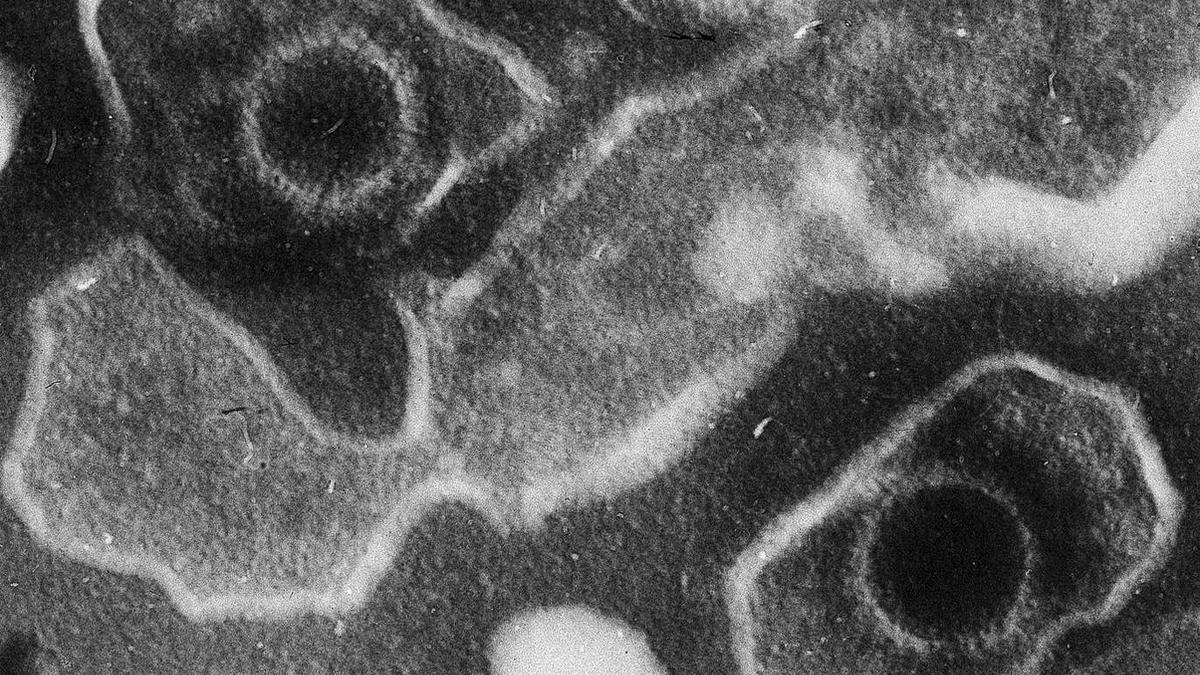
The Epstein-Barr virus (EBV) is one of the most widespread human viruses, infecting a large proportion of people worldwide. It belongs to the herpesvirus family and is best known for causing infectious mononucleosis, often called “mono” or glandular fever. Although many people experience few or no noticeable symptoms, the virus can remain in the body for life after the initial infection.
EBV usually spreads through saliva, which is why it is sometimes informally known as the “kissing disease.” However, transmission is not limited to kissing. Sharing drinks, food or items that have recently come into contact with an infected person's saliva can also create opportunities for exposure.
Understanding how EBV spreads, the symptoms it can cause and its potential long-term effects can help people recognise when medical advice may be necessary.
What Is Epstein-Barr Virus?
Epstein-Barr virus is also known as human herpesvirus 4. It is a member of the herpesvirus family, which includes several viruses capable of remaining dormant in the body after an initial infection.
Many people acquire EBV during childhood, when the infection may cause no obvious illness or only mild symptoms. When infection occurs during adolescence or adulthood, it is more likely to cause infectious mononucleosis.
After the initial infection, EBV remains in certain immune cells, particularly B lymphocytes. The immune system generally keeps the virus under control, although it can become active again at times. Reactivation does not necessarily cause symptoms or mean that a person has developed a serious illness.
Common Symptoms and Warning Signs
When EBV causes infectious mononucleosis, symptoms may develop gradually and last for several weeks. Common signs include:
- Extreme tiredness or fatigue
- Fever
- Sore throat
- Swollen lymph nodes, particularly in the neck
- Headache and muscle aches
- Reduced appetite
Some people may also experience an enlarged spleen or liver-related inflammation. Fatigue can continue after other symptoms improve, making recovery slower than expected.
These symptoms overlap with several other infections, so they cannot confirm EBV on their own. A healthcare professional may assess the person's symptoms and medical history and recommend blood tests when appropriate.
Anyone experiencing severe abdominal pain, difficulty breathing or difficulty swallowing should seek urgent medical attention. People diagnosed with infectious mononucleosis may also be advised to avoid contact sports and strenuous activities until a clinician considers it safe, particularly if the spleen is enlarged.
How Does EBV Spread?
Saliva is the primary route of Epstein-Barr virus transmission. The virus can pass between people through kissing, sharing drinking glasses or utensils, and other close contact involving saliva.
EBV can also be transmitted through blood and certain other bodily fluids, although these routes are less common in everyday settings. People may spread the virus even when they do not realise they are infected.
There is no specific vaccine currently available to prevent EBV infection. Avoiding the sharing of drinks, toothbrushes and utensils can reduce some opportunities for transmission, particularly when someone is unwell.
Can Epstein-Barr Virus Cause Long-Term Health Problems?
For most people, EBV infection does not lead to serious complications. Nevertheless, researchers have established links between the virus and certain conditions.
EBV is associated with several uncommon cancers, including some forms of lymphoma and nasopharyngeal cancer. It is also associated with particular immune-related conditions. These links do not mean that most people infected with EBV will develop cancer or another long-term illness; the overwhelming majority do not.
The relationship between EBV and multiple sclerosis is another area of scientific interest. Research indicates a strong association between previous EBV infection and the development of multiple sclerosis, but the precise biological processes involved continue to be investigated. Other genetic, environmental and immune factors also influence disease risk.
People with weakened immune systems may face a greater risk of complications because their bodies can have difficulty controlling the virus. Persistent or unusual symptoms should therefore be assessed by a qualified healthcare professional.
Diagnosis, Treatment and Recovery
There is no routine medicine that eliminates EBV from the body. Treatment for infectious mononucleosis generally focuses on relieving symptoms while the immune system responds to the infection.
Rest, adequate fluid intake and appropriate pain or fever relief may help during recovery. Antibiotics do not treat EBV because it is a virus, although a clinician may prescribe them if a separate bacterial infection is identified.
Blood tests can help establish whether an infection is recent or occurred in the past. Their interpretation depends on the specific antibodies detected, the timing of testing and the person's symptoms.
Recovery varies from person to person. Many symptoms improve within a few weeks, but tiredness can last longer. Returning to normal activities gradually is important, especially when illness has caused substantial fatigue.
Why Awareness Matters
Because EBV is so common and frequently produces no obvious symptoms, many people may never know when they were infected. At the same time, recognising infectious mononucleosis can help people obtain appropriate care and avoid activities that could increase the risk of complications.
The key distinction is that widespread infection does not automatically mean widespread serious disease. Most people manage EBV without major long-term effects, while continued research is helping scientists understand why the virus is associated with certain conditions in a smaller number of individuals.
Related Stories


Reader comments are moderated as per Daily News Axis editorial standards.