
World Mental Health Day 2026: Why Using Terms Like OCD and Bipolar as Slang Can Be Harmful
Words associated with mental health conditions have become increasingly common in everyday conversations, social media posts and online humour. Phrase...
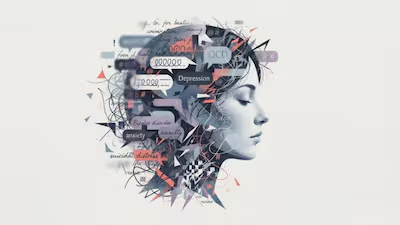
Words associated with mental health conditions have become increasingly common in everyday conversations, social media posts and online humour. Phrases such as “I’m so OCD” or casually describing someone as “bipolar” are often used to express habits, mood changes or personality differences. However, mental health advocates warn that treating clinical conditions as casual labels can reinforce misconceptions and make it harder for people experiencing genuine psychological difficulties to be understood.
World Mental Health Day, observed on October 10 every year, provides an opportunity to examine how society talks about mental health. In 2026, the discussion is particularly relevant as internet culture continues to influence the language people use to describe emotions, behaviour and distress.
When Mental Health Diagnoses Become Everyday Expressions
Online conversations frequently use psychiatric terminology to describe ordinary experiences. Someone who likes an organised desk may say they are “OCD”, while a person whose mood changes during the day might jokingly call themselves “bipolar”.
Although these expressions are often intended casually, they blur the distinction between everyday behaviour and medical conditions. A preference for cleanliness, for example, does not automatically indicate obsessive-compulsive disorder. Similarly, experiencing different emotions does not by itself mean a person has bipolar disorder.
The repeated use of diagnostic terms as shorthand can also shape how people understand these conditions. When a serious disorder becomes a punchline or a personality description, its actual symptoms and impact may receive less attention.
OCD and Bipolar Disorder Are More Than Labels
Obsessive-compulsive disorder (OCD) involves persistent, unwanted thoughts, images or urges that can cause significant distress, alongside repetitive behaviours or mental rituals that a person feels compelled to perform. These experiences can interfere with work, education, relationships and everyday activities.
Bipolar disorder, meanwhile, is a mental health condition associated with episodes of significant changes in mood, energy and activity. These episodes may include periods of mania or hypomania and, in many cases, depression. The condition is more complex than ordinary fluctuations in mood and requires assessment by a qualified mental health professional.
Using these diagnoses loosely can leave people with the impression that the conditions are simply exaggerated versions of common habits or emotions. That misunderstanding can contribute to stigma and discourage people from taking symptoms seriously.
Only a qualified professional can assess whether someone's experiences meet the criteria for a mental health disorder. Casual observations or online quizzes are not substitutes for a proper evaluation.
The Impact of Mental Health Slang on People Seeking Help
Language can influence whether people feel comfortable discussing their mental health. When clinical terms are routinely used in jokes or as insults, individuals living with these conditions may feel that their experiences are being trivialised.
Such language can also encourage inaccurate assumptions. A person with OCD may be stereotyped as excessively tidy, while someone with bipolar disorder may be unfairly portrayed as unpredictable. These simplified images overlook the range of symptoms people can experience and the individual differences in how conditions affect daily life.
The same concern applies to euphemisms used around severe emotional distress. Online slang can sometimes make difficult subjects easier to discuss, but it can also obscure the seriousness of what someone is communicating. Taking expressions of distress seriously is more helpful than dismissing them as internet humour.
How to Talk About Mental Health More Responsibly
Improving mental health awareness does not require people to avoid every clinical term in conversation. It means using such language accurately and being mindful of its impact.
Instead of describing someone as “OCD” because they prefer order, people can simply say that the person likes things organised. Rather than using “bipolar” to describe changing opinions, they can explain that someone's views or feelings have shifted.
It is equally important to listen without making assumptions when someone discusses their mental health. Avoiding judgement, respecting privacy and encouraging professional support when needed can make conversations more constructive.
World Mental Health Day 2026: Awareness Begins With Language
Mental health awareness involves more than recognising diagnoses. It also includes understanding the experiences behind them and creating an environment where people can speak openly without fear of ridicule.
Everyday language may seem insignificant, but repeated expressions influence public attitudes over time. Choosing words carefully can help distinguish ordinary emotions from clinical conditions, reduce misconceptions and make discussions about mental health more respectful.
On World Mental Health Day, reconsidering familiar phrases offers a practical starting point. Greater awareness begins when people recognise that mental health conditions are not merely labels for habits or moods, but real experiences that deserve understanding and appropriate care.
Related Stories


Reader comments are moderated as per Daily News Axis editorial standards.








