
Microsoft Moves Away From Copilot+ PC Branding as Windows 11 AI Strategy Evolves
Microsoft appears to be moving beyond the “Copilot+ PC” label as it reshapes its approach to artificial intelligence on Windows devices. The company i...
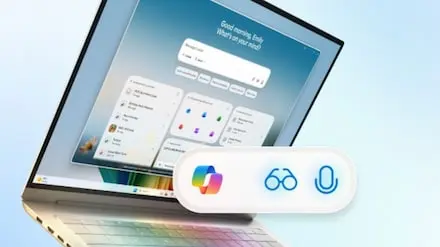
Microsoft appears to be moving beyond the “Copilot+ PC” label as it reshapes its approach to artificial intelligence on Windows devices. The company is no longer using the branding prominently on its latest Surface hardware, even though the new machines continue to meet the technical requirements previously associated with Copilot+ PCs.
The change represents a shift in how Microsoft wants consumers to think about AI-powered computers. Instead of relying heavily on a separate hardware badge, the company is increasingly putting the emphasis on Windows 11 itself, with AI capabilities becoming part of the operating system and its broader software experience.
Copilot+ branding fades from new PCs
Microsoft introduced Copilot+ PCs in 2024 as a distinct category of Windows computers designed to handle AI workloads locally. The program established hardware requirements including a capable Neural Processing Unit, sufficient memory and storage, with the aim of supporting features that could run directly on the device.
However, Microsoft's newer Surface Pro and Surface Laptop models are not being marketed under the Copilot+ PC name. Microsoft Surface executive Brett Ostrum confirmed that the devices are not called Copilot+ PCs despite meeting the requirements associated with the earlier category. Qualcomm has similarly indicated that the underlying AI capabilities can continue without the previous terminology.
This suggests that Microsoft is separating the technology from the branding. Consumers may still receive AI-focused hardware and features, but they may not necessarily see a Copilot+ badge attached to every qualifying computer.
Windows 11 becomes the bigger AI platform
The branding change does not mean Microsoft is stepping away from AI. In fact, the company is expanding Copilot's role within Windows.
Microsoft's latest Windows strategy centres on what it calls hybrid intelligence, combining local processing with cloud-based AI. Under this approach, Copilot can use information stored on a user's PC, perform certain actions with permission and use locally running AI models when appropriate.
The company says Copilot will be able to work with local context, assist with tasks such as organising files and troubleshooting, and choose between on-device and cloud processing depending on the job. These capabilities are expected to begin rolling out to Copilot+ PCs in the coming months.
Windows 11 is also gaining additional AI-oriented functionality, including new ways to interact with system features through Windows Search. Microsoft is positioning the operating system itself as the central platform for its next phase of AI computing.
What the change means for buyers
For consumers, the retirement of the Copilot+ branding should not necessarily mean that AI capabilities are disappearing from new Windows computers. Instead, Microsoft's approach appears to be moving toward making AI features a standard part of the Windows experience rather than something that requires a particular marketing label.
The change could also make PC purchasing less dependent on AI branding. Buyers can increasingly compare computers based on processors, memory, graphics performance, battery life and other hardware requirements while still receiving Windows' growing collection of AI functions.
Microsoft's latest hardware announcements reinforce this broader strategy. The company is developing PCs capable of running increasingly powerful AI models locally while also connecting to cloud-based services when greater computing resources are required.
Copilot remains central to Microsoft's plans
Although the Copilot+ PC name is being phased out, Microsoft continues to invest heavily in Copilot itself. The company now describes Copilot across several experiences, including Home, Code and Autopilot, while adding greater access to local computing resources.
The result is a notable change in strategy: the Copilot+ PC badge may be disappearing, but Microsoft's AI ambitions for Windows are becoming broader. Rather than selling AI primarily as a new category of hardware, Microsoft is attempting to make AI an integrated layer across Windows 11 and the devices running it.
For users, the most important development may therefore be less about whether a laptop carries a Copilot+ label and more about how effectively its hardware can support the increasingly AI-driven Windows experience.
Related Stories


Reader comments are moderated as per Daily News Axis editorial standards.








