Donald Trump Blames Immigration for France Unrest, Claims Paris Could Soon Become a Muslim City
US President Donald Trump has blamed immigration policies for the recent unrest in France, urging French President Emmanuel Macron to tighten border c...
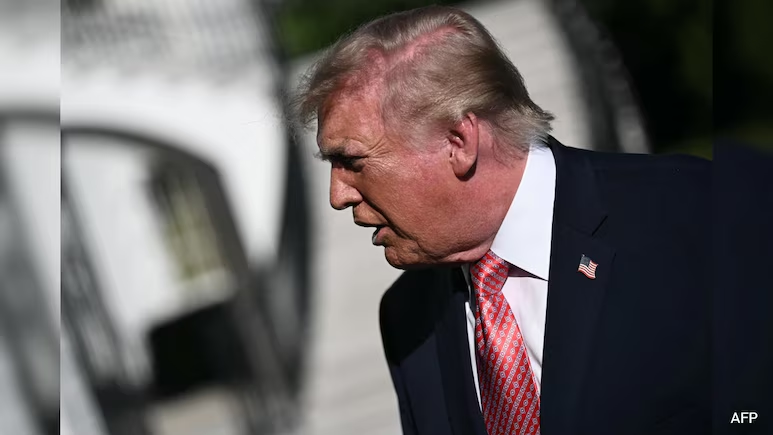
US President Donald Trump has blamed immigration policies for the recent unrest in France, urging French President Emmanuel Macron to tighten border controls. Trump also made a controversial claim that Paris would soon become a Muslim city, bringing immigration, national identity and public security back into the centre of political debate.
Speaking to reporters on October 19, Trump linked the violence and demonstrations across France to what he described as excessive immigration. He said he had previously warned Macron about allowing large numbers of people from other countries to enter France and argued that stricter border policies were necessary.
His comments came as France faced widespread demonstrations, looting and clashes with police following protests over rising living costs and concerns about public services.
Trump Urges France to Tighten Border Controls
Trump said he had advised Macron to restrict immigration years earlier and argued that France was now experiencing the consequences of its approach. He presented the unrest as a warning for European countries that, in his view, had failed to control migration effectively.
The US president has made immigration enforcement a central part of his political agenda. He has repeatedly called for stronger border security and stricter measures against illegal immigration, both in the United States and abroad.
His latest remarks extended that argument to France, where the government has faced mounting pressure to restore public order and address public dissatisfaction.
Trump's claim about Paris becoming a Muslim city was particularly contentious because it connected the unrest to the religious identity of immigrant communities. However, his statement was a political assertion rather than an established demographic forecast.
France Faces Protests and Street Violence
France has experienced a wave of demonstrations in recent weeks, with large numbers of people taking to the streets over economic pressures, rising prices and concerns about education and public services.
Several demonstrations that began as protests developed into violent confrontations in some locations. Incidents of vandalism, looting and damage to public property prompted authorities to increase security measures and consider restrictions intended to prevent further disorder.
French Prime Minister Sébastien Lecornu announced on October 19 that local authorities had been asked to introduce partial curfews where necessary. The government said the measures were intended to restore public order while allowing authorities to respond to conditions in individual areas.
The unrest has placed additional pressure on the French administration, which is already dealing with economic difficulties and political divisions.
Immigration Becomes a Political Flashpoint
Trump's remarks reflect a wider political dispute over immigration across Europe. Conservative and far-right political figures have frequently argued that migration controls are essential to national security, social cohesion and the preservation of cultural identity.
Others caution against attributing complex social problems to immigration alone. Economic hardship, dissatisfaction with public services, political grievances and local conditions can all contribute to protests and civil unrest.
The demonstrations in France have included concerns about the cost of living and the state of public services. Establishing the causes of individual incidents requires evidence rather than assuming that a particular community is responsible for the violence.
Trump's comments have nevertheless given renewed visibility to the immigration debate at a time when European governments are under pressure to address both public safety and economic concerns.
Macron Government Under Pressure
The French government must now respond to demands for greater security while addressing the grievances that have brought demonstrators onto the streets. The introduction of local curfews reflects an effort to contain violence without imposing a nationwide restriction.
Authorities are also expected to pursue those responsible for attacks on businesses, public buildings and law enforcement officers.
Trump's intervention adds an international dimension to France's domestic political challenges. His criticism of Macron's immigration policies illustrates the differences between the two leaders' approaches to migration and border security.
As the situation develops, the central questions will be whether French authorities can restore calm, address public concerns and prevent further violence. The debate over immigration is likely to continue, but its outcome will depend on political decisions, public responses and the evidence surrounding the causes of the unrest.
Related Stories

Reader comments are moderated as per Daily News Axis editorial standards.