Trump Says China Could Have Tried to Recruit Nvidia CEO Jensen Huang Amid Leadership Controversy
US President Donald Trump has suggested that China could have offered Nvidia co-founder Jensen Huang substantial financial incentives to switch allegi...
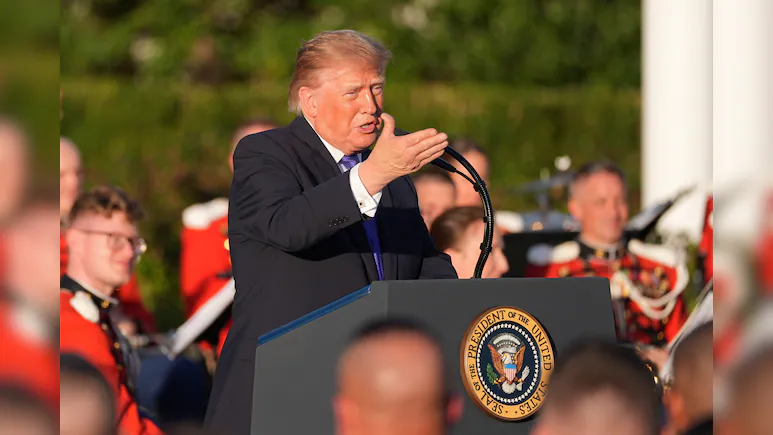
US President Donald Trump has suggested that China could have offered Nvidia co-founder Jensen Huang substantial financial incentives to switch allegiance to Beijing if tensions had pushed him away from the United States. His remarks came as Huang returned to the leadership of the artificial intelligence chipmaker following a brief departure that triggered intense scrutiny over corporate governance and national security.
In a phone interview with CNBC on November 23, Trump said China could potentially have paid Huang to “flip sides”. He added that he would not want Beijing to recruit the executive, whose leadership he considers important to American technological competitiveness.
Trump Claims He Helped Bring Huang Back to Nvidia
Trump also indicated that he played a role in persuading Nvidia’s board to reinstate Huang as chief executive officer.
According to the president, discussions with the board helped change its position on the executive’s return. Trump said convincing directors had been easier during his more recent conversations than it was roughly a week and a half earlier.
Nvidia’s board subsequently reinstated Huang as CEO and president, as well as a member of the board, effective immediately. The decision came just 11 days after he stepped down from the company’s top position.
Trump publicly welcomed the move, describing Huang as a patriot and a national asset. He argued that retaining the executive’s leadership was important not only for Nvidia but also for the wider American economy.
Why Jensen Huang’s Departure Triggered Scrutiny
Huang’s departure on November 12 followed reports concerning his personal relationships, including an alleged relationship with Alice Huang, an unrelated business executive linked to Singapore-based company Megaspeed.
US authorities have examined allegations surrounding potential Chinese intelligence connections and the movement of advanced Nvidia chips to Chinese businesses. The case has intensified concerns in Washington about export-control compliance and the risks associated with transferring sophisticated artificial intelligence technology to China.
The allegations have not, by themselves, established that Jensen Huang committed a crime. Trump has said the US government has no evidence that Huang engaged in unlawful conduct, while the broader investigations and questions surrounding the company’s compliance remain significant.
National Security Concerns Remain in Focus
Nvidia occupies a central position in the global AI industry because its processors are widely used to develop and operate advanced artificial intelligence systems. The company's business dealings with China have therefore become a sensitive issue for US policymakers seeking to maintain American technological advantages.
Washington has imposed restrictions on exports of advanced computing chips to China, citing national security concerns. Questions about whether those controls are sufficiently effective have grown amid scrutiny of Nvidia’s international business relationships.
Trump said the company should continue examining its compliance with US export regulations despite his support for Huang’s return. Nvidia has also indicated that input from senior US government officials informed the board’s assessment of the national security implications of reinstating its chief executive.
Nvidia’s Leadership and US-China Technology Rivalry
The controversy highlights how the competition between Washington and Beijing increasingly affects major technology companies and their executives. Decisions about corporate leadership, international sales and access to advanced chips are now closely connected to broader national security debates.
For Nvidia, restoring Huang places an experienced co-founder back at the helm, but the company still faces scrutiny over its relationships, governance and export-control procedures.
Trump’s comments also underline his view that keeping leading technology executives in the United States is strategically important. His suggestion that China might have tried to recruit Huang reflects wider concerns about competition for talent and technological expertise between the two powers.
The immediate leadership question has been resolved through Huang’s reinstatement, but investigations and debate over chip exports to China continue to shape the challenges facing Nvidia and the wider AI sector.
Related Stories


Reader comments are moderated as per Daily News Axis editorial standards.