
India’s GDP Debate: Why Growth Figures, Data Revisions and Public Trust Matter
India’s latest economic growth figures have sparked a wider discussion about how the country measures its economy and communicates statistical changes...
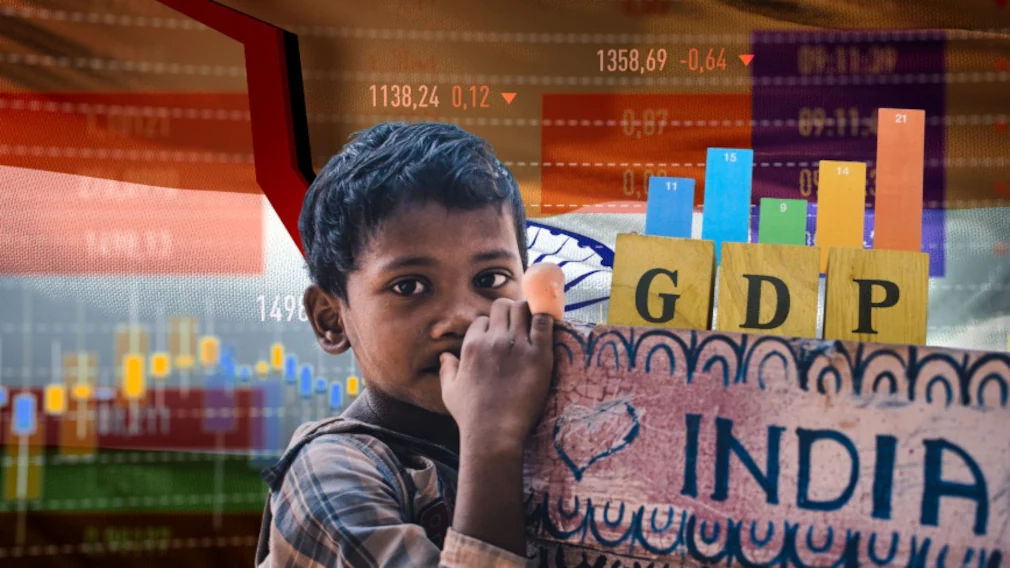
India’s latest economic growth figures have sparked a wider discussion about how the country measures its economy and communicates statistical changes. The debate intensified after the government reported real GDP growth of 7.8% for the April–June quarter of 2026–27. While the figure indicates strong expansion, questions have emerged over revisions to previous estimates and the methods used to calculate growth.
The discussion is not limited to whether one quarterly figure is high or low. It concerns the reliability of national accounts, the transparency of revisions and whether headline growth accurately reflects economic conditions across different sectors.
In a recent commentary, Congress MP and former diplomat Shashi Tharoor questioned the credibility of official economic statistics. He argued that repeated revisions and gaps in data collection have weakened public confidence. These are his assessments; the government has offered a different explanation for the changes.
Why the New GDP Series Has Become Central to the Debate
A major change behind the controversy is India’s shift from a 2011–12 base year to 2022–23 for its national accounts. Updating the base year is a standard statistical exercise intended to reflect changes in the structure of the economy, including consumption patterns, industries and prices.
However, the transition also brought substantial revisions to historical estimates. The government’s earlier estimate of nominal GDP for the first quarter of 2025–26, calculated under the previous series, was around ₹86.05 lakh crore. Under the revised series, the estimate was updated to approximately ₹80 lakh crore.
Critics argue that such a reduction affects comparisons and can make subsequent growth appear stronger. The Statistics Ministry maintains that figures from different base-year series should not be compared directly. It says revisions reflect updated data, improved coverage and methodological changes, rather than an attempt to inflate growth.
The Importance of Measuring Real Economic Activity
Another area of disagreement concerns the GDP deflator, which is used to separate price changes from actual output growth. If inflation is measured inaccurately, the calculation of real GDP can also be affected.
Tharoor’s commentary raises concerns about the availability of price data and the measurement of the informal economy. Small businesses and unregistered enterprises are difficult to track comprehensively, making reliable estimates especially important.
The updated GDP series introduces additional data sources and methodological improvements, including the use of producer price information and double deflation in parts of manufacturing. These changes are intended to improve the measurement of economic output.
Growth Figures and Everyday Economic Conditions
The debate also reflects a broader question: how should GDP growth be understood alongside employment, investment and household consumption?
GDP measures the value of economic activity, but it does not by itself explain how income is distributed or whether job opportunities are expanding at the same pace. A country can record strong aggregate growth while some households or sectors experience weaker conditions.
For this reason, economists often examine GDP alongside employment surveys, consumption data, investment trends and industrial performance. No single indicator provides a complete picture of economic well-being.
Transparency Is Essential for Public Confidence
The government says the revised series improves statistical accuracy, while critics want greater openness about the impact of methodological changes. Publishing clear explanations, comparable historical data and detailed revision notes can help researchers assess the figures independently.
Ultimately, the GDP debate highlights the importance of both sound measurement and public trust. India’s economic performance should be evaluated through transparent data, consistent methods and a range of indicators—not through one headline growth rate alone.
Related Stories


Reader comments are moderated as per Daily News Axis editorial standards.