India Puts AI and Maritime Security at the Centre of Its UN Security Council Bid
India is placing artificial intelligence (AI) and maritime security at the heart of its campaign for a non-permanent seat on the United Nations Securi...
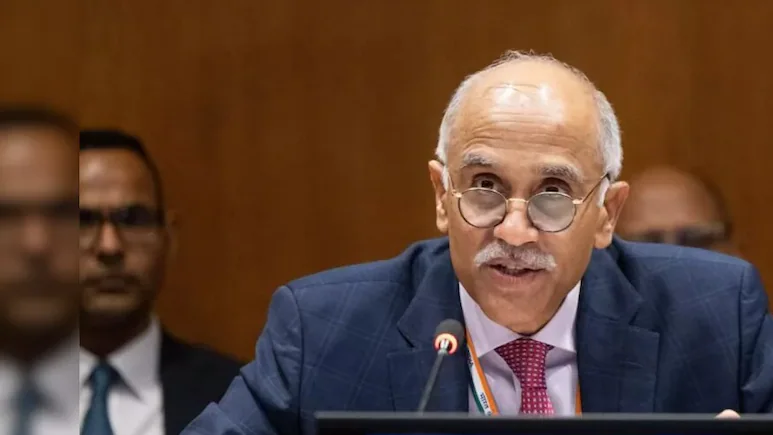
India is placing artificial intelligence (AI) and maritime security at the heart of its campaign for a non-permanent seat on the United Nations Security Council for the 2028–2029 term, highlighting the need to protect international shipping, strengthen cyber defences and ensure emerging technologies are used responsibly.
India’s Permanent Representative to the United Nations, Ambassador Harish Parvathaneni, outlined these priorities during a high-level Security Council debate on emerging technologies and maritime security on October 29. He stressed that technological progress should improve human security, widen access to opportunities and make international waters safer rather than create new divisions.
India Highlights AI’s Role in Maritime Security
Addressing the Council, Parvathaneni said artificial intelligence, satellite surveillance, autonomous systems and advanced cyber capabilities were transforming the maritime sector. While these technologies offer new ways to protect shipping and monitor ocean activity, their misuse could create serious risks for international peace and security.
AI-assisted analysis of satellite images, radar signals and vessel-tracking information can improve maritime awareness, identify suspicious movements and support search-and-rescue operations. These tools could help authorities detect emerging threats more quickly and coordinate responses across large maritime areas.
India has also offered to share its experience and support international cooperation in this field. Parvathaneni highlighted the role of the Information Fusion Centre–Indian Ocean Region, located near New Delhi, which facilitates information-sharing and cooperation among maritime stakeholders.
The initiative reflects India's broader SAGAR vision — Security and Growth for All in the Region — which promotes regional cooperation, maritime stability and shared prosperity.
Protecting Shipping Routes and Global Trade
Safeguarding freedom of navigation and ensuring the uninterrupted movement of commercial vessels were among the key concerns raised by India.
Attacks on merchant ships and disruptions at strategic maritime chokepoints can affect countries far beyond the immediate conflict zone. Such incidents endanger seafarers, delay shipments and disrupt supply chains, while rising transportation costs and economic uncertainty can place a disproportionate burden on developing economies.
India reiterated its condemnation of attacks against commercial vessels and called for the protection of lawful maritime commerce in accordance with international law.
The importance of these concerns was underscored by maritime dangers in the Strait of Hormuz. On the day of the debate, Iran’s Navy reported that three oil tankers had struck sea mines and caught fire, highlighting the potential consequences of threats to critical shipping routes.
India has also been seeking to build on international discussions about the relationship between AI and maritime security. External Affairs Minister S. Jaishankar and Greek Foreign Minister George Gerapetritis had co-chaired a high-level discussion on the subject in September.
Cyber Threats and Responsible Use of Technology
India warned that the growing digitalisation and automation of maritime infrastructure could expose ports, ships, communication systems and undersea infrastructure to cyberattacks.
The increasing use of autonomous systems also raises difficult questions about accountability, responsibility and the possibility of unintended escalation. Establishing who is responsible when an automated system causes harm or contributes to a security incident could become more complicated as these technologies advance.
Parvathaneni called for appropriate safeguards, meaningful human oversight and clear lines of responsibility in the deployment of emerging technologies.
He also emphasised that developing countries must have access to technology, training and institutional capabilities. Without such support, the benefits of technological progress could remain concentrated among wealthier nations, widening existing inequalities in maritime security and technological governance.
India and Tajikistan to Contest the 2028–29 Seat
India is preparing to contest a non-permanent Security Council seat for the 2028–2029 term. The election, scheduled for June 2027, will see India and Tajikistan compete for the single seat allocated to the Asia-Pacific Group.
By emphasising maritime security and responsible AI, New Delhi aims to demonstrate how emerging technologies can contribute to international stability while addressing the particular needs of developing countries.
India has argued that international institutions should strengthen cooperation, build technological resilience and address risks that have clear implications for global peace and security. It has also stressed that the responsibilities of specialised organisations, including the International Maritime Organization, should be reinforced rather than duplicated.
As India seeks support for its candidature, its message is that technological innovation must go hand in hand with international cooperation, equitable access and effective safeguards. The country says it is ready to work with partners to ensure that AI strengthens maritime safety, protects global trade and supports a more secure international order.
Related Stories
Reader comments are moderated as per Daily News Axis editorial standards.