Persistent Cough and Wheezing: How Smog Damages Your Lungs and Why Winter Could Get Worse
As air pollution rises during the colder months, persistent coughing, wheezing and breathing difficulties are becoming growing health concerns in heav...
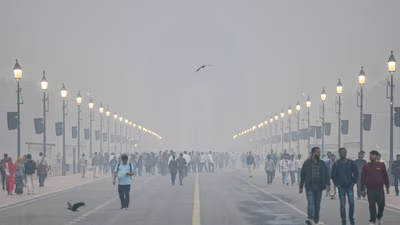
As air pollution rises during the colder months, persistent coughing, wheezing and breathing difficulties are becoming growing health concerns in heavily polluted areas. Smog is more than a temporary nuisance. Prolonged exposure to polluted air can irritate the respiratory tract, worsen existing lung conditions and increase the risk of longer-term health problems.
Doctors warn that the combination of fine airborne particles, traffic emissions, smoke and changing weather conditions can place additional pressure on the respiratory system. People may initially dismiss a persistent cough as a seasonal illness, but symptoms that continue or worsen deserve medical attention.
How Smog Affects the Lungs
Air pollution contains a mixture of harmful substances, including fine particulate matter known as PM2.5, nitrogen dioxide and other pollutants. Because these particles are extremely small, they can travel deep into the respiratory system.
Once inhaled, pollutants can trigger inflammation in the airways. This irritation may cause coughing, throat discomfort, chest tightness and wheezing. Repeated or prolonged exposure can also aggravate asthma and chronic obstructive pulmonary disease (COPD).
Fine particles can affect more than the lungs. Research has linked air pollution exposure to cardiovascular problems because inflammation and other biological responses may affect blood vessels and the heart.
Why Coughing and Wheezing May Persist
A pollution-related cough may continue while a person remains exposed to unhealthy air. Some people experience a dry, irritating cough, while others notice mucus production, breathing discomfort or a feeling of tightness in the chest.
Wheezing can occur when the airways become narrowed or inflamed. People with asthma or other existing respiratory conditions may be especially sensitive to these changes. However, a persistent cough is not always caused by pollution. Respiratory infections, allergies and other medical conditions can produce similar symptoms.
A cough lasting more than eight weeks in an adult is generally classified as chronic and should be medically evaluated. People should seek advice sooner if symptoms are worsening, affecting sleep or accompanied by breathlessness, chest pain, recurring fever or unexplained weight loss.
Coughing up blood or experiencing severe breathing difficulty requires urgent medical attention.
Why the Colder Months Can Be More Difficult
Air quality often deteriorates during winter in parts of northern India. Lower temperatures, weak winds and atmospheric conditions can limit the dispersal of pollutants, allowing them to accumulate near the ground.
Additional emissions from vehicles, industries, construction dust and the burning of materials can worsen the problem. Fog can combine with pollutants to create dense smog, reducing visibility and increasing exposure to unhealthy air.
The result can be a prolonged period of respiratory irritation rather than a short-lived episode. If polluted conditions continue for weeks, the lungs may have limited opportunities to recover from repeated exposure.
Who Faces Greater Risk?
Children, older adults, pregnant people and individuals with asthma, COPD or cardiovascular disease may face greater health risks from polluted air. People who work outdoors or spend long periods in traffic can also experience greater exposure.
Even people without a diagnosed respiratory condition may develop symptoms during periods of poor air quality. Repeated exposure can aggravate existing problems and may contribute to longer-term health effects.
Practical Steps to Reduce Exposure
Although individuals cannot control pollution levels across a city, certain precautions can help reduce exposure.
- Check local air-quality information before planning prolonged outdoor activities.
- Reduce strenuous outdoor exercise when pollution levels are high.
- Consider a well-fitting N95 or equivalent particulate respirator when outdoor exposure cannot be avoided during severe pollution.
- Keep indoor spaces free from cigarette smoke, incense smoke and other avoidable sources of pollution.
- Maintain prescribed asthma or other respiratory treatment, and consult a doctor before changing medication.
- Seek medical advice if coughing, wheezing or breathlessness persists or worsens.
Air purifiers with suitable particle filters may help reduce indoor particulate pollution when correctly sized and maintained. However, they cannot remove all pollutants or solve outdoor air pollution.
The Need for Long-Term Action
Personal precautions can reduce exposure, but they cannot replace measures to improve air quality at its source. Cleaner transport, better control of industrial emissions, construction-dust management and reducing open burning are important parts of a sustained response.
As winter progresses, prolonged smog can place additional pressure on people already experiencing respiratory symptoms. Persistent coughing and wheezing should not automatically be dismissed as seasonal problems. Identifying the cause early and reducing exposure where possible are important steps towards protecting lung health.
Related Stories


Reader comments are moderated as per Daily News Axis editorial standards.