
JKSSB Exam Cheating Racket: Alleged Mastermind Took Cues From Social Media, 20 Arrested
Jammu and Kashmir Police have arrested 20 people, including six government employees and the alleged mastermind, in connection with an examination che...
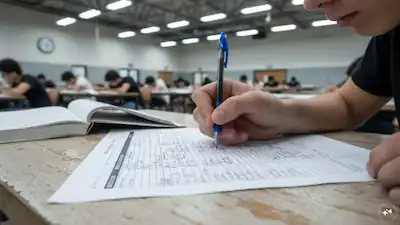
Jammu and Kashmir Police have arrested 20 people, including six government employees and the alleged mastermind, in connection with an examination cheating racket linked to the Finance Accounts Assistant (FAA) recruitment test conducted by the Jammu and Kashmir Services Selection Board (JKSSB) on November 15, 2026.
Investigators allege that the group planned to help selected candidates pass the examination through electronic devices and the circulation of photographed question papers. Police said the accused had searched online platforms, including Google and Facebook, for methods of cheating before settling on the alleged approach.
Authorities have clarified that the suspected malpractice was linked to a specific examination centre and did not involve a conventional question-paper leak affecting the examination as a whole. The investigation is continuing to establish the roles of the accused and identify potential beneficiaries.
How the Alleged Cheating Network Operated
According to Jammu Senior Superintendent of Police Joginder Singh, the investigation initially led to the arrest of 14 suspects on November 15. A Special Investigation Team (SIT) was subsequently formed, leading to six additional arrests and the identification of the alleged main organiser.
Police allege that the mastermind originally intended to help two people: a close relative and a friend. However, another person allegedly developed a separate network involving approximately 20 to 22 additional candidates.
Investigators claim the wider operation involved intermediaries, candidates and people who allegedly had access to the examination centre.
The accused reportedly negotiated payments of between ₹10 lakh and ₹12 lakh from candidates in exchange for helping them clear the examination. Police also alleged that original documents were collected from some candidates and blank cheques obtained from several others as security for the proposed payments.
These claims remain allegations under investigation and have not been established through a court judgment.
Question Paper Allegedly Photographed and Shared Through Telegram
Police described a method in which an employee deployed at an examination centre allegedly helped remove a question paper from the premises after the examination began.
According to the investigation, question papers placed on the desks of absent candidates were collected and moved to a designated room. An employee allegedly took one paper and handed it to an accomplice because the employee could not leave the centre.
The accomplice reportedly passed the paper to another person waiting outside. That person allegedly took it to a vehicle, photographed the questions and returned the paper for deposit at the examination centre.
The photographs were then allegedly circulated through a Telegram group to provide selected candidates with access to the questions.
Investigators believe the material was intended to reach at least 25 to 26 candidates. Police intervention reportedly prevented most of them from receiving it through the suspected network.
Two candidates were also arrested for allegedly using electronic devices to cheat during the examination.
Social Media Searches and Electronic Evidence Under Scrutiny
The investigation has reportedly found that the accused searched Google, Facebook and other applications for ways to cheat in competitive examinations before selecting the method allegedly used in this case.
Police have seized electronic equipment for forensic examination to determine how it was used and whether artificial intelligence tools played any role.
Investigators are also examining how electronic devices were brought into the examination hall despite security checks and other safeguards.
The Telegram account used to circulate the photographed paper was reportedly accessible to three people. Police believe the arrested suspects' communications and electronic records could help establish how the information was distributed and who was expected to benefit.
Notices have been issued to around 20 candidates suspected of being intended beneficiaries, asking them to participate in the investigation.
Six Government Employees Among Those Arrested
Of the 20 people arrested, six are government employees, police said. Their details have been forwarded to their respective departments for possible disciplinary action alongside the criminal investigation.
Authorities clarified that none of the arrested individuals belonged to the JKSSB itself.
Three first information reports (FIRs) have been registered, and the SIT is continuing to investigate the suspected conspiracy, including the alleged involvement of examination-centre personnel and intermediaries.
Police have also traced financial transactions worth ₹1.80 lakh and recovered ₹1.40 lakh, according to the senior police officer. The investigation is examining whether these transactions are connected to the alleged arrangement.
Recruitment Examination Integrity Under Focus
The case has raised questions about examination security and the protection of merit-based recruitment in Jammu and Kashmir.
The FAA examination was conducted for recruitment to posts in the Finance Department, attracting a large number of applicants. Allegations of organised cheating can undermine confidence among candidates who prepare for competitive examinations and depend on transparent selection procedures.
Police say further questioning and forensic analysis will be important in determining the extent of the alleged network. The final outcome will depend on the evidence gathered and the findings of the judicial process.
For now, authorities are focusing on identifying everyone involved, establishing whether candidates received an unfair advantage and determining how the examination-centre safeguards were allegedly bypassed.
Related Stories

Reader comments are moderated as per Daily News Axis editorial standards.