
Norway Plans Temporary Restrictions on AI Smart Glasses Over Privacy Concerns
Norway is preparing to introduce temporary restrictions on the use of artificial intelligence-powered smart glasses in selected public locations, as a...
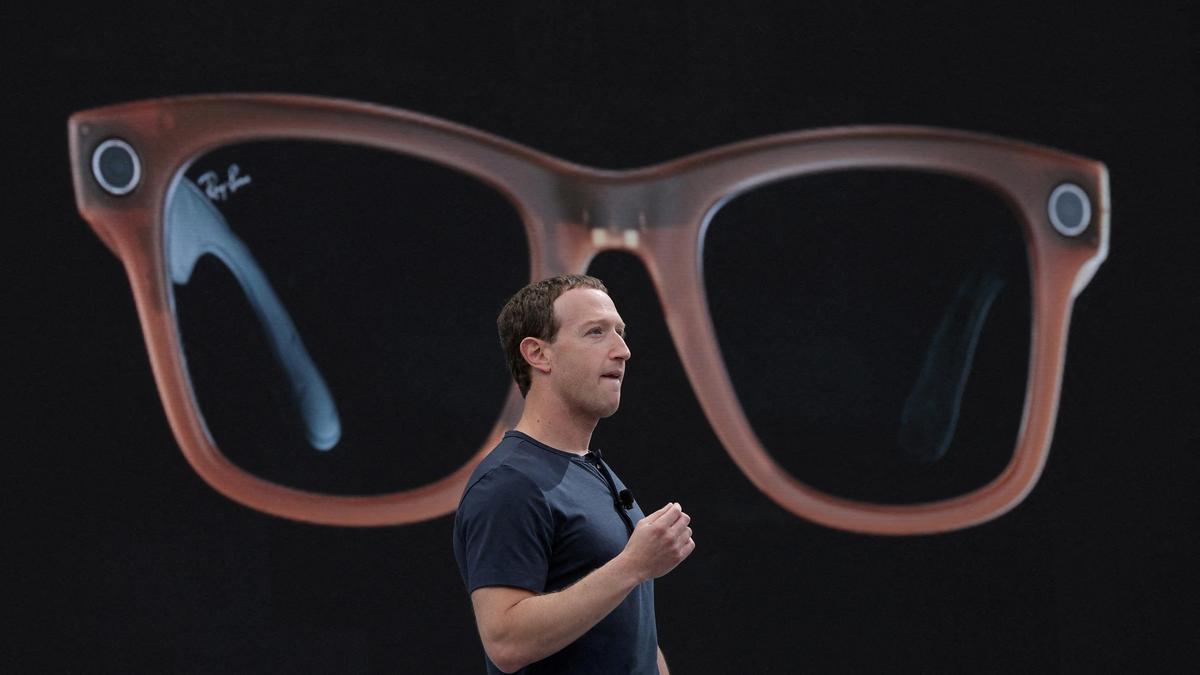
Norway is preparing to introduce temporary restrictions on the use of artificial intelligence-powered smart glasses in selected public locations, as authorities seek to address growing concerns over privacy and recording without consent.
The proposed measure is aimed at devices that combine cameras, microphones and AI capabilities. Norwegian officials are concerned that people could be photographed, filmed or recorded without realizing that a wearable device is capturing their image or conversations.
The government plans to submit legislation to the country’s parliament and is considering restrictions in a range of public and privacy-sensitive environments. Potential locations include parks, beaches, museums, shopping centres and public events. The rules could also cover schools, kindergartens, playgrounds and youth facilities, where protecting children is considered particularly important.
Healthcare facilities and fitness centres with changing rooms or showers could also fall under the proposed restrictions. Authorities are separately examining whether universities and other higher-education institutions should be included.
Norway has stressed that the proposal is not intended to create a nationwide ban on smart glasses. Instead, the temporary restrictions are designed to give policymakers time to examine how wearable AI technology should be regulated as its capabilities expand.
An expert group is expected to study the wider implications of smart glasses and other wearable devices equipped with cameras, microphones and AI. Its work could help shape longer-term national rules governing the technology.
The debate reflects a broader concern about the increasingly discreet nature of modern wearable technology. Unlike a conventional smartphone, smart glasses can be used while a person is looking directly at another activity, potentially making it less obvious to people nearby that they are being recorded.
Norwegian officials have previously warned that the combination of artificial intelligence with cameras and microphones could create new privacy challenges. Earlier government discussions included the possibility of restricting functions such as facial recognition involving other people in public places.
The proposed Norwegian rules come as governments and institutions in other countries also examine how camera-equipped wearables should be used. California recently rejected legislation that would have introduced penalties for certain unauthorized recordings involving smart glasses, while other organisations and venues have introduced their own restrictions.
Technology companies have promoted smart glasses as tools for communication, navigation, translation, entertainment and AI-assisted tasks. But their ability to capture images, video and audio continuously has raised questions about consent, data protection and the expectations of privacy in shared spaces.
Norway’s approach is therefore focused on creating a regulatory pause rather than ending the technology altogether. Officials are also considering exemptions for vulnerable people and situations in which smart glasses could provide clear social benefits.
The government’s next step will be to present its temporary-ban proposal to parliament. The resulting debate could become an important test of how governments balance the potential benefits of wearable AI with the privacy rights of people who may be captured by the technology without actively choosing to participate.
Related Stories


Reader comments are moderated as per Daily News Axis editorial standards.